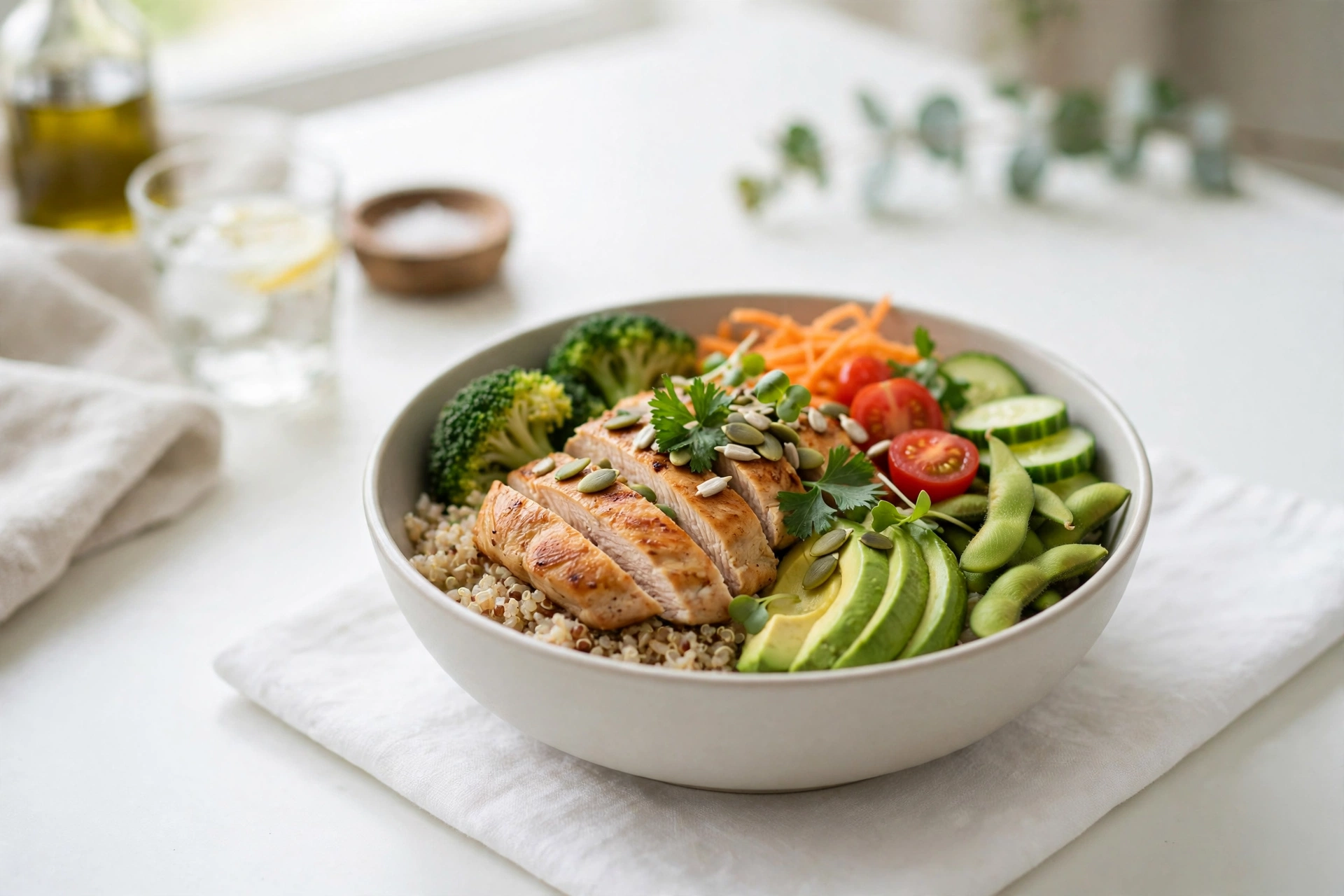
Blood Sugar After Eating Checker
Understand the difference between an ordinary post-meal meter reading and a two-hour 75-g oral glucose tolerance test result.
Postprandial glucose means blood glucose measured after a meal. In diabetes care, it is often checked 1–2 hours after the start of eating; it is different from the standardized 2-hour 75-g oral glucose tolerance test used for diagnosis.
Carbohydrate is digested into glucose, so the reading can rise after food. Fat, protein and fibre alter digestion and the timing of the rise. Portion size, food processing, drinks, sleep, stress, activity and medicines also influence the pattern. The peak is not identical for every person or every meal.
The 2-hour laboratory oral glucose tolerance test uses a standard 75-g glucose drink. Its 140–199 mg/dL and 200 mg/dL-or-higher categories are diagnostic thresholds for that protocol only. They should not be applied to a usual lunch, dinner or finger-stick taken at home.
If you have diabetes and your care team has asked you to monitor after meals, many plans time the check 1–2 hours after the start of eating. Record similar meals and times, and bring the pattern to your clinician. Do not change insulin or other medication from a calculator.
Related free tool: Blood Sugar After Eating Checker. Use it to calculate or organize values only within the limits described on its page.
This is general education, not an individual diagnosis or treatment plan. Never start, stop or change medication based on this article. For concerning symptoms or repeated unusual results, contact a qualified healthcare professional.
For many diabetes monitoring plans, 1–2 hours after the start of a meal is used; follow the timing agreed with your care team.
No. The 140–199 mg/dL diagnostic range is for a standardized 75-g OGTT.
The following primary and institutional resources support the medical or technical context discussed in this guide. Check the source directly for the latest details.
Continue with a related guide or open the free calculator that supports this topic.
Understand the difference between an ordinary post-meal meter reading and a two-hour 75-g oral glucose tolerance test result.
There is no universal age-based diagnostic chart for ordinary post-meal home readings. A personal target depends on diabetes status, medication…

There is no universal list of foods everyone must avoid after a glucose rise. Sugary drinks and large portions of refined carbohydrate can raise glucose…

A 1-hour home glucose reading after an ordinary meal has no single diagnostic cutoff for everyone. For people already managing diabetes, some plans check…