Glycemic Index Checker
Look up approximate glycemic index values for selected foods, with notes about variety, preparation and portion size.
Brown rice is not automatically low GI. Published values vary by cultivar and cooking method, and many tested varieties fall in the medium range. Portion size and the rest of the meal also matter.
GI is a research measure comparing the glucose response to a carbohydrate-containing test food with a reference food. Testing conditions, the food variety, processing, cooking and the people tested affect values. A published GI number is not a guaranteed response for every person.
A food with a lower GI can still contribute a substantial amount of carbohydrate when the portion is large. Glycemic load combines GI with available carbohydrate in the serving: GI × grams of available carbohydrate ÷ 100. This is still a comparison tool, not an individualized glucose prediction.
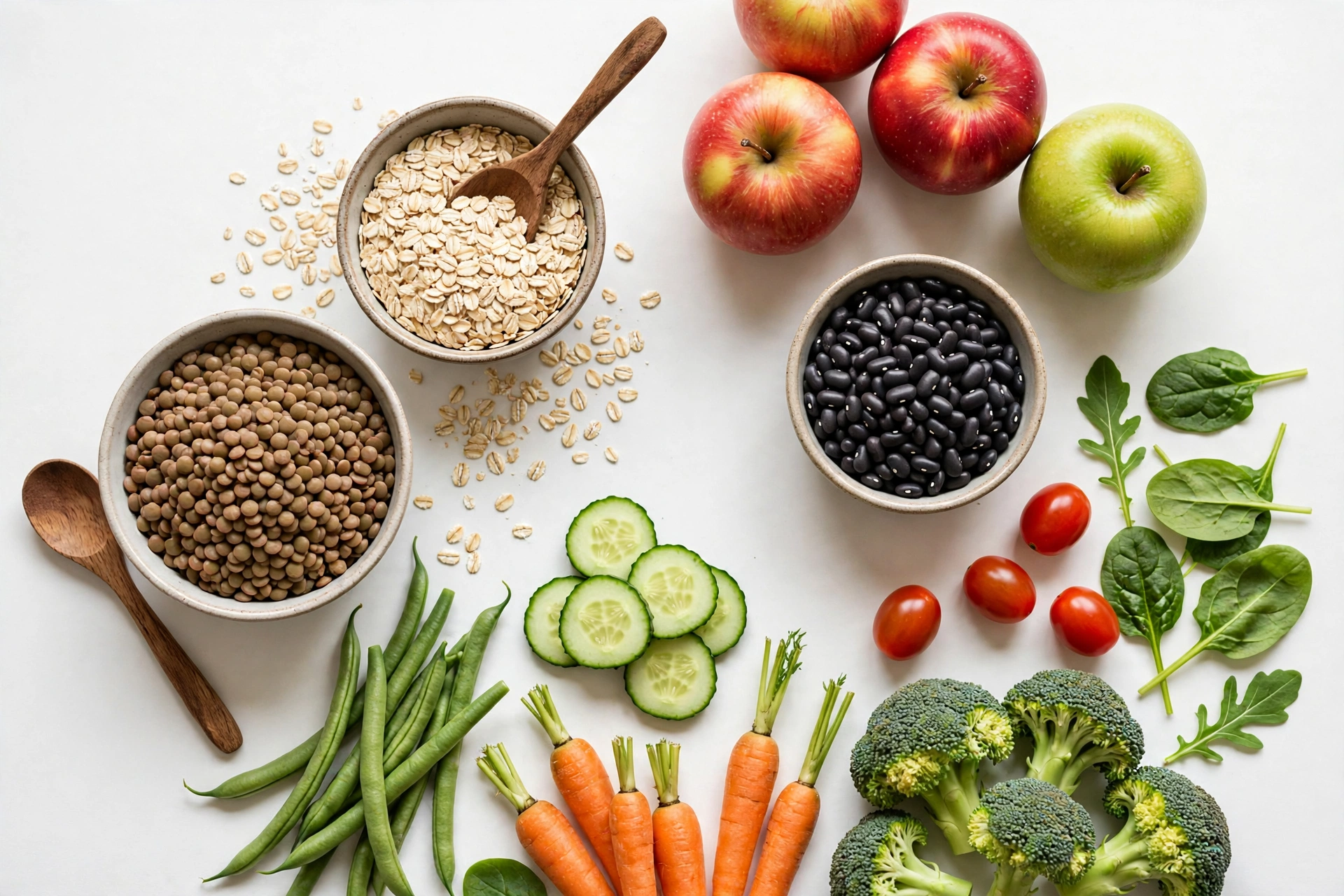
Use vegetables, legumes, whole grains, nuts, seeds and suitable protein sources to build a meal you can sustain. Check food labels and use reliable tested GI tables for specific varieties. If you have diabetes, compare your own readings only as advised by your care team.
Related free tool: Glycemic Index Checker. Use it to calculate or organize values only within the limits described on its page.
This is general education, not an individual diagnosis or treatment plan. Never start, stop or change medication based on this article. For concerning symptoms or repeated unusual results, contact a qualified healthcare professional.
No. GI does not measure fibre, vitamins, sodium, saturated fat or overall dietary quality.
Not precisely. Portions, preparation, other foods, activity and individual physiology affect the response.
The following primary and institutional resources support the medical or technical context discussed in this guide. Check the source directly for the latest details.
Continue with a related guide or open the free calculator that supports this topic.
Look up approximate glycemic index values for selected foods, with notes about variety, preparation and portion size.
For diabetes meal planning, GI can be one consideration, but carbohydrate amount, portion size, overall nutrition, medication and individual glucose…
GI is commonly grouped as low (55 or less), medium (56–69) and high (70 or more), but a chart is a guide rather than a food-quality score. Values depend…
Whole-wheat or seeded bread is not guaranteed to have a lower GI than white bread. Grain structure, milling, fibre, ingredients and processing all matter…